
 Soil Preparation
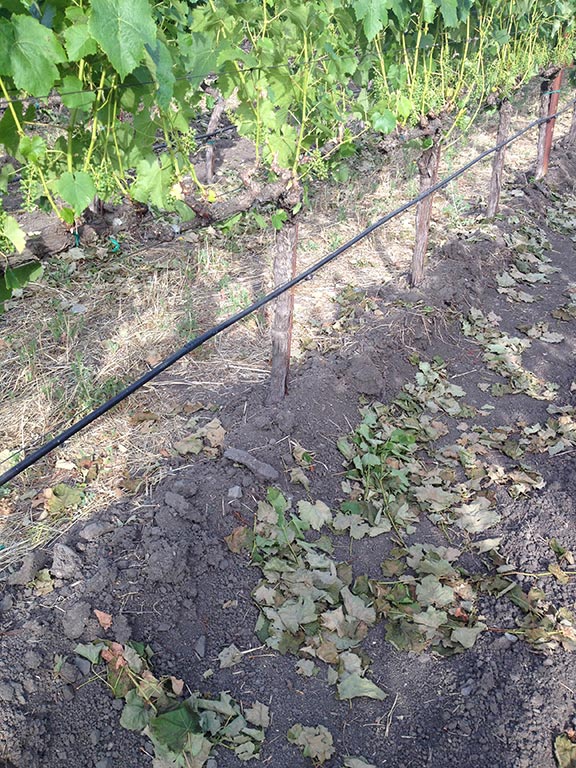
After edging the vines, the top soil is tilled and mixed with the grass. The last rainfall of the summer here in the Napa Valley produced quite a bit of growth. This organic matter will be bring moisture and nutrients to the vines for their full development.
Soil Preparation
After edging the vines, the top soil is tilled and mixed with the grass. The last rainfall of the summer here in the Napa Valley produced quite a bit of growth. This organic matter will be bring moisture and nutrients to the vines for their full development.
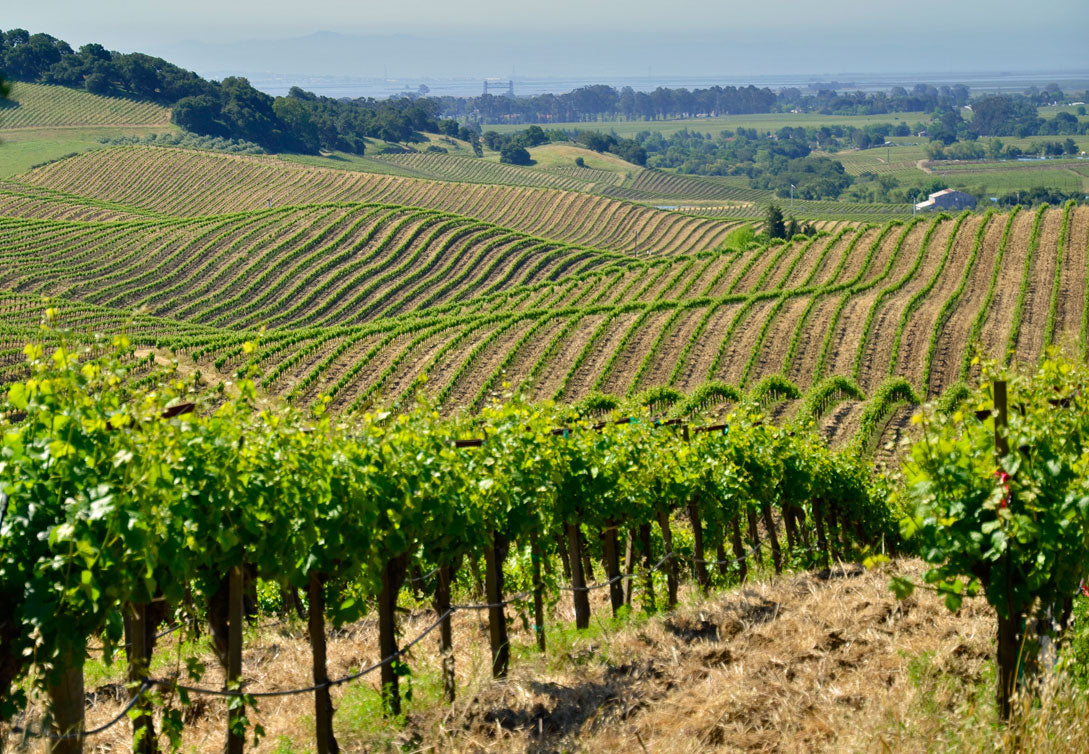 Fruit Set and Leaf Thinning
Once grapes begin their maturation process, then the fruit starts to set. This is when the grape flesh and skin tannins begin to develop. Unfortunately, this does not always occur evenly within clusters. Fruit that does not properly develop is pruned.
Often called “green harvesting,” crop thinning refers to the dropping of unripe grape bunches that are not perfect and which may not be developing in an even pattern. They also address the excess leaves by taking out a portion of them, which directly applies shade to the berries. This will provide for better maturation and a better air flow to avoid rot with excess moisture as a result.
Fruit Set and Leaf Thinning
Once grapes begin their maturation process, then the fruit starts to set. This is when the grape flesh and skin tannins begin to develop. Unfortunately, this does not always occur evenly within clusters. Fruit that does not properly develop is pruned.
Often called “green harvesting,” crop thinning refers to the dropping of unripe grape bunches that are not perfect and which may not be developing in an even pattern. They also address the excess leaves by taking out a portion of them, which directly applies shade to the berries. This will provide for better maturation and a better air flow to avoid rot with excess moisture as a result.
 Veraison
Sometimes in mid-July or the beginning of August, all grape varieties will change in color. This period of grape pigment development is called veraison. Just like bud break, this step in the life-cycle of the vine can take several weeks, depending on the grape variety and the micro-environment of that particular vineyard site. Many vineyards have wide temperature swings, which vary as much as 30-40 degrees Fahrenheit between night and day. California’s warm weather promotes ripeness and sugar development in the grapes. The cooler, often fog-infused, nights help the grapes to retain acidity and freshness for balance.
Veraison
Sometimes in mid-July or the beginning of August, all grape varieties will change in color. This period of grape pigment development is called veraison. Just like bud break, this step in the life-cycle of the vine can take several weeks, depending on the grape variety and the micro-environment of that particular vineyard site. Many vineyards have wide temperature swings, which vary as much as 30-40 degrees Fahrenheit between night and day. California’s warm weather promotes ripeness and sugar development in the grapes. The cooler, often fog-infused, nights help the grapes to retain acidity and freshness for balance.
 Currently, we are in good shape with excellent conditions across the state. There is plenty of reserve in the soil. Dry and warm conditions in California will advance the harvest by a couple weeks this season.
 There is indeed a lot of work to be done to prepare for the best harvest yet. Meet our newest assistant vineyard managers. They will attend to the vine and take care of every situation by leaps and bounds.